Warning: Undefined array key "url" in /home/u585319850/domains/non-woven.com/public_html/wp-content/plugins/seo-by-rank-math/includes/modules/schema/snippets/class-author.php on line 41
andy zhuang

andy zhuang

Hi, I'm Andy, the funder of Non-woven.com, I've been running a factary in China that makes Nonwovens for 10 years now, and the purpose of th is article is to share with you the knowledge related to Nonwoven from a Chinese supplier'sperspective.

What Exactly Is Nonwoven Fabric?

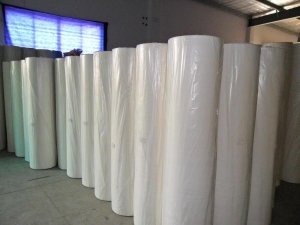
polypropylene non woven PP Non Woven Fabric

Nonwoven fabric, sometimes spelled non-woven fabric, is an engineered material that feels and looks somewhat like cloth. However, its structure isn’t created through traditional methods like spinning and weaving. Instead, it’s made by bonding or tangling staple fibers (which are…

What Are the Sustainability Advantages of Diversifying Uses of Nonwovens?

Explore the sustainability advantages of nonwoven fabrics across various industries. This article discusses how diversifying applications of nonwovens can reduce waste, lower energy consumption, and support a circular economy. Learn about their role in healthcare, automotive, agriculture, and construction, along with successful case studies of innovation. Discover the challenges and future directions for nonwoven sustainability, highlighting the significance of these materials in promoting eco-friendly practices. The insights provided will help organizations adopt more responsible manufacturing processes while addressing consumer demand for sustainable solutions.

What Are the Sustainability Advantages of Nonwoven Material Diversification?

Discover the significance of nonwoven materials in promoting sustainability across various industries. This blog post explores their unique manufacturing processes, diverse applications, and environmental benefits. Nonwoven fabrics, made from bonded fibers, contribute to reduced waste, improved resource efficiency, and enhanced operational practices. With examples in healthcare, automotive, and construction, learn how these versatile materials can align with eco-friendly initiatives, paving the way for a more sustainable future. Get informed about the innovations and challenges in the nonwoven sector, as well as future trends that promise to transform the landscape of sustainable materials.

What are the Diversification of Uses of Nonwoven Fabric?

Explore the innovative applications of nonwoven fabrics across various industries, including healthcare, automotive, construction, and fashion. This blog post delves into the unique properties and manufacturing processes of nonwoven materials, highlighting their role in promoting sustainability and addressing modern challenges. Discover how nonwoven fabrics contribute to improved performance in medical supplies, sound insulation in vehicles, and moisture management in construction. As the textile industry evolves, learn about the future of nonwoven fabrics and their potential for eco-friendly advancements. Join us in understanding the significance of this versatile textile category.

What Are the Unique Characteristics of Nonwoven Fabric Diversification?

Explore the world of nonwoven fabrics, unique textile structures engineered for various applications across industries such as healthcare, automotive, and construction. Understand their properties, from durability and absorbency to softness, and discover their roles in innovative solutions like personal protective equipment and filtration systems. With an emphasis on sustainability, learn how nonwoven fabrics are evolving to meet environmental demands and the future trends that will shape their diversification. This comprehensive overview highlights why nonwoven materials are becoming increasingly vital in modern manufacturing and consumer needs.

What Are the Diverse Uses of Nonwoven Fabrics?

Explore the versatility and innovative uses of nonwoven fabrics across various industries, including healthcare, construction, and consumer products. This comprehensive article delves into the unique manufacturing processes, the environmental impact, and the growing trends towards sustainability in nonwoven textiles. Discover how these materials enhance functionality and meet the demands of modern applications, from medical supplies to agricultural solutions. Learn about the advancements in technology paving the way for biodegradable and recyclable nonwoven options, shaping the future of the textile industry.
What is Nonwoven Fabric Technology and How Does it Work?

Introduction to Nonwoven Fabric Technology Nonwoven fabric technology represents a versatile and innovative approach to fabric production, distinct from traditional weaving and knitting processes. Nonwoven fabrics are created by bonding together fibers through various methods such as mechanical, thermal, or…

What are Biodegradable Materials and Why Do They Matter?

Explore the significance of biodegradable materials in promoting environmental sustainability. Discover how these substances, broken down by microorganisms, serve as vital alternatives to traditional plastics. Learn about their roles in reducing pollution, enhancing waste management, and fostering circular economies. From packaging to textiles, understand innovative uses and the challenges involved in adopting these eco-friendly options. Stay informed about the differences between biodegradable and compostable materials, as well as the potential impacts on our planet's health. Join the movement towards responsible consumption and a cleaner environment with biodegradable solutions.

What is Recyclable Nonwoven Fabric and Why is it Important?

Recyclable nonwoven fabric is a sustainable alternative to traditional textiles, designed for various applications from medical supplies to household items. This blog explores the significance of recyclable nonwoven materials, innovative recycling methods, and their diverse industrial applications. Discover how consumers can contribute to recycling efforts and understand the challenges faced in this evolving field. As industries move towards sustainable practices, recyclable nonwoven fabrics play a pivotal role in reducing landfill waste and promoting eco-friendly solutions across multiple sectors.

What is Biodegradable Nonwoven Fabric and Why is it Important?

Discover the importance of biodegradable nonwoven fabric in promoting environmental sustainability. This innovative material, made from natural fibers, offers a solution to pollution and waste in the textile industry. Learn about its applications in medical supplies, hygiene products, and agriculture, along with its benefits like compostability and a lower carbon footprint. As consumer awareness grows, biodegradable fabrics are emerging as vital components in creating a circular economy and reducing ecological impact. Explore the future of sustainable textiles and how they can help shape a healthier planet for generations to come.

How to Assess Nonwoven Fabric Quality?

Explore the versatile world of nonwoven fabrics, their manufacturing processes, and the critical quality indicators that define their performance across various industries. From medical applications to hygiene and automotive uses, understanding the factors influencing nonwoven fabric quality is essential for manufacturers and consumers alike. We delve into effective testing methods, industry challenges, and future trends in quality assessment, providing valuable insights for selecting the best nonwoven materials for your needs. Stay informed about key attributes like tensile strength, absorbency, and air permeability to optimize your fabric choices.

What is the Price of Nonwoven Fabric?

Discover the diverse applications and pricing dynamics of nonwoven fabric, an innovative material used across various industries including healthcare, automotive, and construction. This article delves into the factors influencing nonwoven fabric costs, from raw material prices to manufacturing techniques, providing insights for consumers and businesses alike. Learn how to navigate the nonwoven fabric market, understand the differences between nonwoven and woven fabrics, and explore strategies for cost-effective purchasing. Stay informed on market trends and pricing strategies to ensure optimal value for your investment in nonwoven materials.

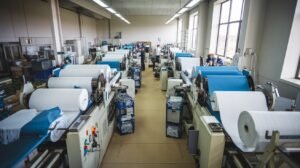
What is the Nonwoven Fabric Manufacturing Process?

Explore the world of nonwoven fabrics, engineered textile materials renowned for their unique manufacturing processes and versatility across various industries. From healthcare applications, including surgical masks and gowns, to automotive parts and household products, nonwoven fabrics offer lightweight, durable, and cost-effective solutions. Delve into the complexities of their manufacturing, types like spunbond and meltblown, and the eco-friendly advancements reshaping the industry. This comprehensive overview highlights the advantages, challenges, and sustainable practices driving the growth of nonwoven textiles, making them an essential material for diverse applications.

What Are the Uses of Nonwoven Fabric?

Discover the versatility and critical importance of nonwoven fabrics across various industries, from healthcare to automotive. Learn about their unique properties, production methods, and applications that make them indispensable in modern manufacturing and consumer goods. Understand how nonwoven technology is evolving towards sustainable and innovative solutions, ensuring these materials remain at the forefront of material science.

What Are Nonwoven Fabric Materials?

Introduction The inherent strength, durability, and cost-effectiveness of nonwoven fabrics have led to their widespread adoption in sectors such as healthcare, automotive, and construction. These attributes enable nonwoven materials to meet the rigorous demands of these industries, which often require…

What Are the Benefits of Nonwoven Fabric Packaging?

Discover the advantages of nonwoven fabric packaging, a trending solution in the packaging industry. Learn about its durability, cost-effectiveness, eco-friendliness, and customizability. Nonwoven fabrics offer a sustainable alternative to traditional materials, meeting contemporary consumer demands for environmentally responsible and efficient packaging. Explore how different industries utilize nonwoven fabrics and understand the benefits, applications, and production processes that make nonwoven fabric packaging a superior choice for businesses.

What Are Nonwoven Fabric Products?

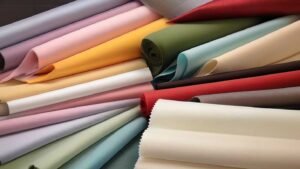
non woven material examples

Explore the versatility and efficiency of nonwoven fabrics across various industries. Discover their key applications in healthcare, automotive, fashion, and more, along with innovative manufacturing processes and future trends. Understand the advantages and challenges faced in nonwoven fabric production, and how eco-friendly and smart technologies are shaping the future of these indispensable materials.

What are the Raw Materials Used in Nonwoven Fabrics?

Introduction to Nonwoven Fabrics Nonwoven fabrics represent a unique category of textile materials unlike traditional woven or knitted fabrics. Characterized by their manufacturing process, nonwoven fabrics are produced by bonding or interlocking fibers through mechanical, thermal, or chemical means, rather…

What is the Nonwoven Manufacturing Process?

Introduction to Nonwoven Manufacturing The nonwoven manufacturing process encompasses a variety of techniques utilized to create nonwoven materials, which are integral to numerous industries. Unlike traditional woven or knitted fabrics, nonwovens are engineered materials made from fibers bonded together through…

What Are Nonwoven Filter Materials and How Do They Work?

nonwoven filter fabric

Explore the essential role of nonwoven filter materials in modern filtration technology, with applications spanning healthcare, manufacturing, and environmental management. Discover the unique advantages and challenges of nonwoven filters, including their high efficiency, cost-effectiveness, and adaptability across various industries and sectors.

What is a Nonwoven Dust Cover and Why Should You Use One?

Explore the comprehensive guide on nonwoven dust covers, highlighting their composition, benefits, and diverse applications in various industries. Discover why these polypropylene-based covers are essential for safeguarding against dust and particulate contaminants, as well as their environmental impact and sustainability. Learn how to select the right dust cover to meet your specific needs and understand the advantages of nonwoven materials over traditional options. Perfect for use in automotive, electronics, medical, and household storage.

Why Are Nonwoven Materials Ideal for Packaging?

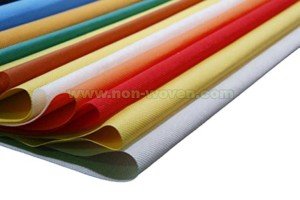
pp-nonwoven-fabric-main-multicolor

Discover why nonwoven materials are revolutionizing the packaging industry. From exceptional durability and flexibility to environmental sustainability, nonwoven materials offer a superior alternative to traditional packaging. Learn about their diverse applications across various sectors, recent technological advancements, and how they contribute to cost-effective and eco-friendly packaging solutions.

What Are Nonwoven Eco-Friendly Materials?

Explore the growing significance of nonwoven eco-friendly materials in sustainability-driven industries. From biodegradable fabrics to recycled PET nonwovens and plant-based fibers, these innovative textiles offer versatile applications in healthcare, agriculture, automotive, and beyond. Learn about their environmental benefits, practical advantages, and future trends, including emerging technologies and material innovations. Understand the challenges and limitations faced in adopting these green alternatives, and discover the potential they hold for a more sustainable future.

What are Nonwoven Biodegradable Materials?

Explore the emergence of nonwoven biodegradable materials as a sustainable alternative to traditional textiles and plastics. Learn about their composition, benefits, and applications across various industries including medical, agriculture, and packaging. Discover the environmental impact and future trends of these innovative materials, driven by consumer demand and regulatory pressures.

Nonwoven or Woven: Which is Better for Your Needs?

pp-nonwoven-fabric-main-multicolor

Explore the differences between nonwoven and woven materials in various industries such as textiles, healthcare, and construction. Understand the unique characteristics, advantages, and applications of each type of fabric to make an informed decision that impacts durability, flexibility, and cost. Learn about their manufacturing processes, strengths, and suitability for specific uses.

Are Nonwoven Bed Sheets Worth It?

Introduction In a world increasingly focused on convenience, efficiency, and sustainability, nonwoven bed sheets have emerged as a compelling alternative to traditional fabric sheets. Crafted through a unique manufacturing process that bonds fibers together, nonwoven materials offer distinct advantages and…

What is Nonwoven Material and How is it Used?

Introduction Nonwoven materials represent a cutting-edge class of fabrics created from fibers bonded together through an array of methods, such as chemical, mechanical, or thermal techniques. Unlike conventional woven or knitted fabrics, these materials do not necessitate intricate weaving processes.…

Understanding the Nonwoven Manufacturing Process: How is it Done?

The nonwoven manufacturing process is a fascinating and complex method that creates fabric-like materials without the traditional techniques of weaving or knitting. By bonding or entangling fibers through mechanical, thermal, or chemical means, nonwoven fabrics are produced. These materials are widely used across various industries, including medical, automotive, and consumer goods.

In the medical field, nonwoven fabrics are used to produce disposable surgical gowns, masks, and drapes, offering essential benefits in hygiene and infection control. The automotive industry utilizes nonwoven fabrics to manufacture carpets, filters, and insulation materials, enhancing vehicle comfort and performance. Additionally, consumer goods such as diapers, wipes, and personal care products frequently incorporate nonwoven fabrics due to their absorbency, softness, and strength.

Understanding the nonwoven manufacturing process is crucial for appreciating the versatility and functionality of these materials. By delving into the intricacies of this process, we can better understand the innovative techniques that enable the creation of high-performance nonwoven fabrics. This article will explore the various stages involved in the nonwoven manufacturing process, providing a comprehensive overview of how these remarkable materials are produced, from the selection of raw materials to the final finishing steps.

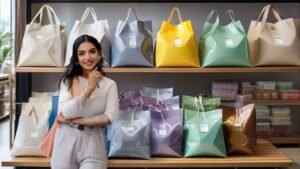
What Are Laminated Bags and Why Are They Popular?

Discover the world of laminated bags and why they're taking the packaging industry by storm! With their exceptional durability and versatile design, laminated bags are becoming a popular choice for businesses and consumers alike. But it's not just their robust construction that's winning people over - laminated bags are also customizable, eco-friendly, and come in a range of shapes and sizes to meet all your packaging needs. And while some may question their ecological impact, there are ways to minimize that with proper care and responsible disposal. Want to know more about this packaging powerhouse? Keep reading!

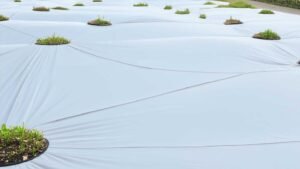
All You Need to Know About Landscaping Fabric: An In-Depth Guide

Discover the benefits of using landscaping fabric, a versatile tool in modern gardening. Learn about its types, advantages, installation process, and maintenance tips. Landscaping fabric helps in weed control, soil moisture retention, and temperature regulation, making it an eco-friendly solution for garden maintenance. Explore how to choose the right fabric for your needs and avoid common mistakes to maximize its effectiveness. Enhance your gardening projects with our comprehensive guide on landscaping fabric.

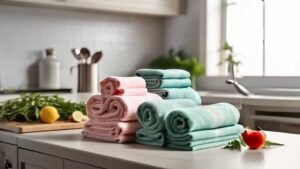
What Are the Benefits of Nonwoven Kitchen Towels?

Nonwoven kitchen towels are becoming increasingly popular in modern households due to their exceptional versatility and convenience. These towels feature high absorbency, durability, and eco-friendly properties, making them ideal for various cleaning tasks in the kitchen. Additionally, their disposable design eliminates the hassle of frequent washing, reducing the risk of bacterial contamination. Choosing nonwoven kitchen towels not only keeps the kitchen clean and hygienic but also aligns with sustainable consumption, making them the perfect choice for modern kitchens.

Nonwoven Innovations: Exploring the Future of Fabric Technologies

Innovation in non-woven fabrics represents a significant transformation in the field of fabric technology. Unlike traditional woven or knitted materials, non-woven fabrics bind fibers together through chemical, mechanical, or thermal processes. They are widely used in medical textiles, consumer goods, and other industries, characterized by their lightweight, breathability, and strength. Moreover, many non-woven materials are designed to be biodegradable or recyclable, making them environmentally friendly. With the advancement of technology, non-woven fabrics are leading the future of fabric technology, providing efficient and eco-friendly solutions for modern applications.

What is a Non-Woven Hair Net and Why is it Important?

Non-woven-hair-nets

Non-woven hair nets are head coverings used to control hair and are widely used in industries such as food processing, healthcare, and manufacturing to ensure standards of hygiene and safety. Made from synthetic fibers like polypropylene, they are lightweight, breathable, and cost-effective. Non-woven hair nets help prevent product contamination, maintain a clean environment, and comply with the stringent regulations of various industries.

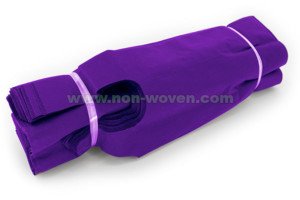
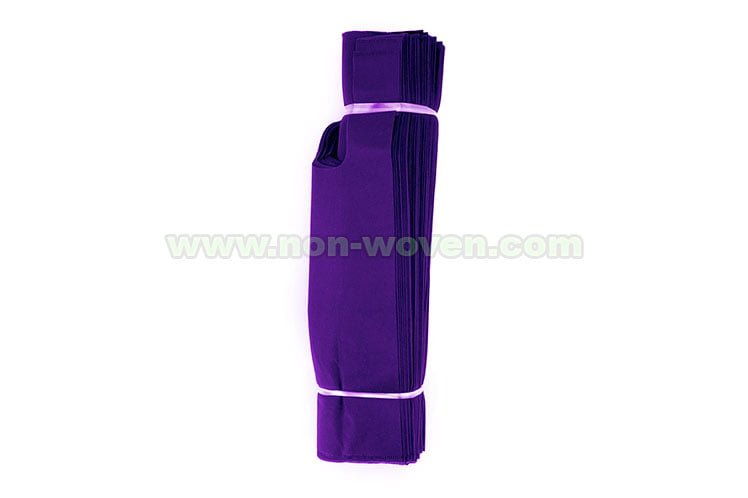
What is a Nonwoven Die-Cut Bag?

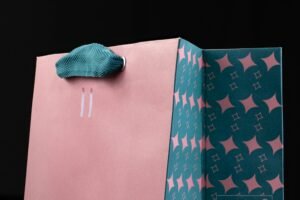
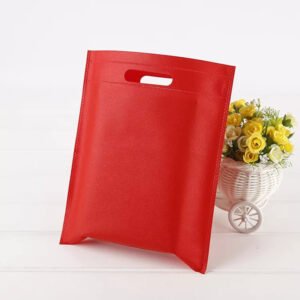
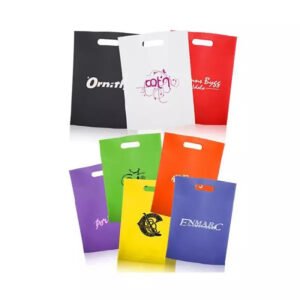
Nonwoven Die-Cut Bags are environmentally friendly and reusable bags made from fibers treated chemically, mechanically, thermally, or with solvents. They are widely popular for their durability, lightweight, and eco-friendliness, and are commonly used in retail, promotional events, and packaging. By understanding the characteristics, advantages, and applications of non-woven perforated bags, businesses and consumers can make informed decisions when choosing packaging solutions that align with their values and needs.

Nonwoven Hygiene Products

Exploring the Intricacies of Nonwoven Hygiene Products: What You Need to Know Outline This article delves into the complexities of nonwoven hygiene products, providing a comprehensive guide for readers interested in understanding their various aspects. 1. Introduction to Nonwoven Hygiene…

The Comprehensive Guide to Non-Woven Head Caps

Non-woven fabric head covers are an essential component in various industries, offering a practical solution to maintain hygiene and safety standards. These disposable hats, made from non-woven fabric, are durable, breathable, and cost-effective. They are widely used in medical, food processing, pharmaceutical, and industrial environments to prevent hair and other particles from contaminating sensitive areas. Non-woven fabric head covers not only provide excellent sanitary conditions but also offer good breathability and durability, making them an indispensable choice in various industries.

What are Nonwoven Handle Bags?

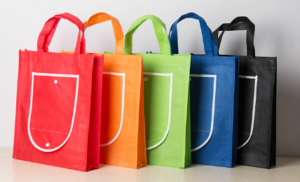
Non-woven fabric tote bags are reusable eco-friendly bags made from polypropylene material. They are widely used in retail, promotional events, and daily life due to their lightweight, durability, and customizability. Compared to disposable plastic bags, non-woven fabric tote bags have significant environmental advantages, including degradability and recyclability. This article provides a detailed introduction to the manufacturing process, advantages, application scenarios, and positive environmental impact of non-woven fabric tote bags, helping readers to fully understand this practical and eco-friendly bag.

What is a Nonwoven Drawstring Bag?

The non-woven drawstring backpack is a type of bag made from non-woven fabric, which is widely popular due to its lightweight, durable, and eco-friendly characteristics. This article provides a detailed introduction to the composition, advantages, uses, and environmental impact of non-woven drawstring backpacks. Whether used for retail, promotional activities, or everyday life, these bags offer a practical solution that aligns with modern environmental awareness. By understanding the features and benefits of these bags, readers can make informed decisions when choosing sustainable packaging or carrying solutions.

What is Nonwoven Drainage Fabric?

Non-woven drainage cloth, also known as geotextile, is a specialized synthetic fiber material widely used in the fields of drainage and filtration. Its unique structure makes it excellent in improving drainage capacity and soil stability, suitable for construction, landscape, and agricultural projects. By effectively filtering water flow and preventing soil erosion, non-woven drainage cloth plays a key role in road construction, retaining walls, soil and water conservation, and other engineering projects. In addition, its application in horticulture and agriculture has significantly improved the health and irrigation efficiency of crop growth.

Nonwoven Bag Design

In this article, we delve into the best designs for non-woven fabric bags and how to maximize their aesthetic appeal and practicality. Non-woven fabric bags are favored by consumers for their eco-friendliness and durability. By carefully selecting colors, patterns, and materials, the visual attractiveness and lifespan of the bags can be enhanced. Whether used for shopping or gift packaging, the design of non-woven fabric bags for different purposes should focus on balancing functionality and aesthetics, thereby enhancing brand image and consumer satisfaction.

A Comprehensive Guide to Non woven Bags

Non-woven bags are eco-friendly bags made from nonwoven fabric materials, known for their lightweight, durability, and reusability. They are widely used for various purposes such as shopping bags, advertising bags, and eco-friendly bags, gradually becoming a substitute for plastic bags. Nonwoven fabric bags not only have significant environmental advantages but are also popular for their cost-effectiveness and customizability. Understanding the production process, classification, and market applications of nonwoven fabric bags, exploring their future development trends, and choosing and customizing nonwoven fabric bags to meet your specific needs are essential.

Definition of nonwoven fabric

Explore the unique world of nonwoven fabrics, a versatile and adaptable category within the textile industry. Learn about their distinct manufacturing processes like spunbonding and meltblowing, which create fabrics with high absorbency, strength, and resilience. Discover their wide-ranging applications in healthcare, hygiene products, automotive, construction, and more. Understand why nonwoven fabrics are cost-effective and environmentally friendly, making them a preferred choice in modern textile manufacturing.

Nonwoven Fabric

pp spunbond nonwoven fabric

Exploring the World of Nonwoven Fabric: Uses, Benefits, and Production Techniques Introduction Nonwoven fabric represents a unique class of textile material that is distinct from traditional woven and knitted fabrics. Unlike woven fabrics, which are created through the interlacing of…

Nonwoven cotton fabric

Non-Woven Cotton Fabric: Definition, Manufacturing Process, Application Fields, and Development Trends Definition of Non-Woven Cotton Fabric Non-woven cotton fabric, the name itself sounds like a piece of modern industrial magic. It doesn’t require traditional spinning and weaving processes but is…

Nonwoven Company

non woven fabric manufacturer

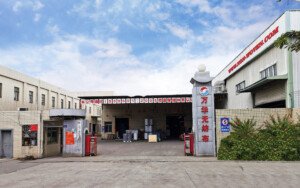
Wanhua Non-Woven Fabric Company: Industry Pioneer with Innovative Technology and Diversified Production Lines Introduction: As a leading enterprise in China’s non-woven fabric industry, Wanhua Non-Woven Fabric Company has established strong market competitiveness with its excellent innovative technology and diversified production…

Nonwoven Cotton

In-Depth Understanding of Nonwoven Cotton: Material, Applications, and Future Trends Nonwoven cotton is an innovative material that has been gaining traction due to its eco-friendly nature and versatility in use. Unlike traditional textiles, nonwoven cotton is produced through a unique…

Applications of nonwoven fabric

Nonwoven Fabric: Cross-Domain Applications and Future Scientific Development Directions Nonwoven fabric, at the forefront of material science, is celebrated for its innovative production techniques and remarkable versatility. It has established itself as an essential material across a spectrum of sectors,…

What is nonwoven fabric

Nonwoven Fabric: An Innovation in the Field of Textile Materials With the continuous advancement in material science, nonwoven fabric, known for its unique production process and extensive application fields, has become an indispensable material in industries, healthcare, agriculture, and everyday…

5 Powerful Tips for Spun Laid Web Formation

Spun laid web formation

Spun laid web formation is a critical process in non-woven fabric manufacturing. Achieving optimal web formation can be challenging, but it's essential for producing high-quality products. In this article, we will provide you with 5 powerful tips for spun laid web formation, using the insights of the renowned writer Charles Bukowski. These tips range from choosing the right fiber to optimizing your process and using the right equipment.

5 Powerful Tips for Web Formation In Non Woven Manufacturing

Web formation in non woven

5 Powerful Tips for Web Formation in Non Woven Fabric Manufacturing Introduction: Web formation is a critical aspect of non woven fabric manufacturing. Achieving optimal web formation can be challenging, but it’s essential for producing high-quality products. In this article, we will provide you with 5…

PP Spunbond Non Woven Fabric Manufacturing Process

PP spunbond non woven fabric manufacturing process

iscover the Power of PP Spunbond Non Woven Fabric Manufacturing Process Introduction: PP spunbond non-woven fabric has become increasingly popular in various industries due to its unique characteristics. This article explores the manufacturing process of PP spunbond non-woven fabric and its applications…

Is Spunlace Non Woven fabric biodegradable?

Is Spunlace Non Woven fabric biodegradable

Is Spunlace Non Woven fabric biodegradable? I. Introduction to Spunlace Non Woven Fabric II. The Biodegradability of Spunlace Non Woven Fabric III. Environmental Advantages of Choosing Spunlace Non Woven Fabric IV. Applications of Spunlace Non Woven Fabric V. Case Studies: Success Stories with Spunlace Non Woven Fabric…

Spunlace Non Woven Fabric Uses

Spunlace Non Woven Fabric Uses

Introduction: Spunlace non woven fabric is a versatile material that has a wide range of applications. In this article, we will explore some of the most surprising uses of spunlace non woven fabric. Outline: I. What is Spunlace Non Woven Fabric?…

non-woven polypropylene bags environmental impact

non-woven polypropylene bags environmental impact

ntroduction The proliferation of single-use plastic bags in recent years has caused a devastating effect on the environment. From polluting our oceans and rivers to harming wildlife, the effects of plastic bag usage have been widespread and damaging. In an…

Non Woven VS Woven Filter Fabric: Which Is Better?

Non Woven VS Woven Filter Fabrics

Non Woven VS Woven Filter Fabric: Which Is Better? Introduction The textile industry is constantly evolving and innovating. New textile products are being developed all the time to meet the needs of different industries. One such product is filter fabric.…

Nonwoven vs Woven : Which Is Best For You And Your Project?

Nonwoven vs Woven

If you’re planning a fabric-based project, it’s essential to understand the difference between nonwoven and woven fabrics. These two types of fabric have distinct properties that make them suitable for different applications. In this article, we’ll explore the differences between…